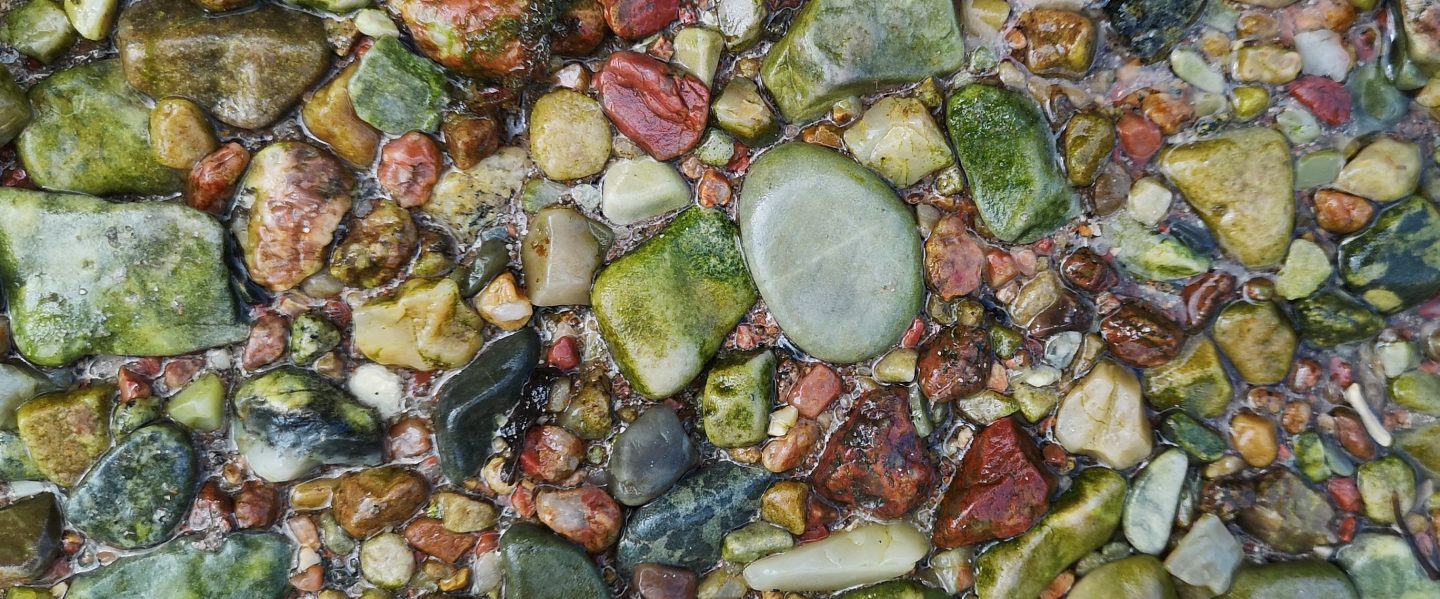
In our course material we were encouraged to look at artists who draw other natural elements such as sky or sea, including Vija Celmins, considering how their approaches may help with cloud drawings.
I watched a video of Vija Celmins talking about her approach after already starting and being very frustrated with drawing clouds. I continually felt that my drawings bore no likeness to reality and was finding it very difficult to replicate what I could see, especially when they moved so fast. At one point I tried using a photograph, but this looked more contrived than my earlier attempts. On watching and listening to Vija Celmins, despite her apparent obsession with producing exact replicas of natural elements, I was most taken by the idea that she insists it was not just about copying but producing an image of what she saw and her experience of that. This resonated with my earlier research and reflections – the paintings I most connected with were not necessarily exact copies or true representations, but were those which communicated a sense of movement, light and drama. I therefore started to feel happier with my earlier attempts and began to loosen my approach. As I did this my mind was also drawn to other artists whose work centres on ‘skyscapes’ particularly around the Scottish Highlands and Islands. Ruth Brownlee is based in Shetland and I have always been taken by how she captures light and depth in clouds. When I went back to look at these in greater detail I found that her paintings did not concentrate on the forms of the clouds but on the tone, whilst managing to capture a real sense of drama and unforgiving weather that the Shetlands are renowned for (see image below).

Ruth Brownlee, Passing rain: West Sandwick, (no date) mixed media on board
Taking this and my earlier research into mind reinforces the necessity of the live experience in landscape drawing and painting to gain a sense of the movement and fluidity of the natural environment. I am also reminded that my common experience of using photos for reference so far in this course, has usually been a less positive one unless it is used strictly to support an initial live drawing. Reflecting on what I have gained so far from my research I realise that there is a balance to be struck in representing what is seen and what is felt, both for me having equal importance in the final outcome.

 Deborah McAulay